Q&A with Anita Yokota, Author of Grounded Living

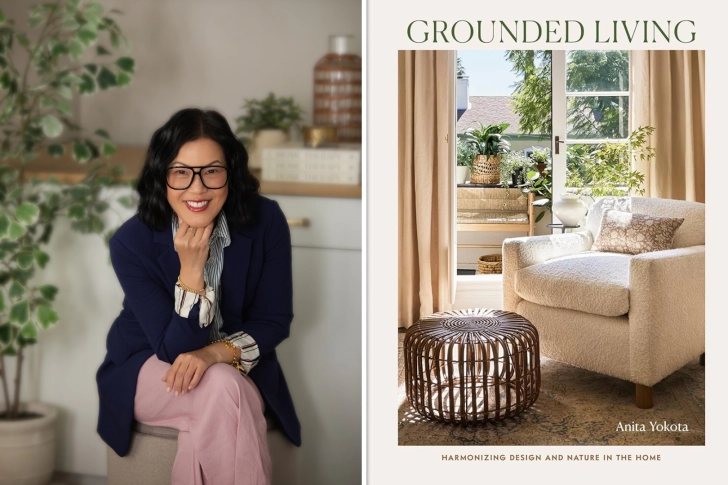
Anita Yokota is the author of Grounded Living, which is available now.
Anita is a licensed therapist, interior designer, and bestselling author known for her unique approach to wellbeing that connects our mental health, relationships, and home environments. In Grounded Living, she shares practical tools to help people create a life that feels more balanced, intentional, and aligned – from setting healthier boundaries to designing spaces that support emotional wellbeing.
Through her work, Anita explores how our surroundings and daily habits can influence how we feel, helping readers move away from burnout and overwhelm toward a more grounded, sustainable way of living.
Book Club ChatRecommended readGrounded Living: Harmonizing Design and Nature in the Home
by Anita Yokota
View on AmazonLet’s get to know Anita as she discusses her career journey, inspiration behind Grounded Living, what she is currently reading and more.
Can you discuss your career path transitioning from being a licensed family and marriage therapist to an interior designer?
Honestly, it did not feel like a hard pivot. It felt like a natural evolution. I spent over twenty years as a therapist helping people work through what was happening internally. But when I started doing home visits, I kept noticing the same thing. Their homes were either adding to their stress or helping them feel better.
So I started making small changes, clearing visual clutter, bringing in more light, and adding natural elements. The shift was immediate. Not just in how the space looked, but in how people felt.
That is when it clicked for me. I realized I did not want to just talk about healing. I wanted to help create environments that actually support it.
Interior design became an extension of my therapy work. It is still about people, behavior, and emotion. It just shows up in a physical space now. And it has also given me a way to express my creative side while helping people in a more tangible way.
What elements of your therapist background do you bring to your designer side?
Everything I do as a designer is filtered through a therapeutic lens. I am always thinking about how space affects you. Does it calm you, overstimulate you, or create friction?
My background trained me to look beyond aesthetics and focus on behavior, emotion, and patterns. I consider things like cognitive load, sensory input, and how layout impacts daily functioning.
I also integrate grounding techniques and intentional rituals into design. Even something as simple as creating a mindfulness corner or using sensory cues like texture, scent, or light can help bring you back to the present moment.
So the work is not just about making a home look beautiful. It is about making it supportive.
What inspired you to write Grounded Living? What are some of the core principles behind the concept?
Grounded Living was really inspired by how I grew up. I spent my childhood in the Pacific Northwest, surrounded by water, trees, and that constant connection to nature. Being outdoors was not something we had to think about. It was just part of everyday life. And I noticed early on how calming that felt.
As I moved into adulthood, especially in more fast paced environments, I started to see how disconnected we have become from that. Our homes do not always reflect what actually helps us feel grounded and at ease.
At its core, the book pairs biophilic design with psychology, grounded in the idea that we are wired to connect with nature. When we bring those elements into our homes, it taps into something deeply restorative.
The principles focus on:
- Incorporating nature directly (light, plants, air)
- Drawing inspiration from natural materials and forms
- Creating interaction with nature through flow and sensory experience
Because when we reconnect our homes to nature, we naturally reconnect back to ourselves.
Can you discuss more about how homes and environments play a role in mental wellbeing?
Our environments are constantly influencing our thoughts, emotions, and behaviors, whether we realize it or not.
A cluttered, overstimulating space can increase stress and mental fatigue, while a thoughtfully designed space can improve focus and create a sense of calm.
Natural elements are especially powerful. Light, greenery, and organic textures are not just aesthetic choices. They support memory, productivity, and emotional well being while reducing cognitive load.
From both a therapist and designer perspective, I see the home as an active participant in your well being. It is either working against you or working for you.
What do you hope readers take away from your book?
I want readers to feel empowered, not overwhelmed or pressured, but clear and capable in their own homes.
There are no rigid rules in Grounded Living. It is about helping people understand what makes them feel calm, safe, and connected, and then using biophilic design to bring those elements into their space in a way that feels supportive and intuitive.
Ultimately, I want people to realize their home is not just a backdrop to their life. It is a tool that can support their mental health, relationships, and daily experience. And biophilic design is what helps make that possible, by reconnecting us to nature in a way that feels grounding and restorative.
Because when your home is rooted in nature, it feels more natural, authentic, and truly aligned with how you are meant to live.
What are you currently reading and what’s on your TBR (to be read) list?
I am not someone who sits and reads cover to cover. I read more for inspiration, the same way I approach design. I dip into things that shape how I want to feel, think, and live.
I have been drawn to books that connect to how we experience our homes and environments. The Book of Form and Emptiness by Ruth Ozeki really resonated with me, and Braiding Sweetgrass stayed with me because of its deep connection to nature and how we live alongside it. I have also read Reparenting the Inner Child, which reflects a lot of the emotional and behavioral work I think about in my own practice.
The Creative Act by Rick Rubin is another one I return to. It is less about output and more about how you move through life creatively, which I really connect to.
What I am excited to get into next is The Anxious Generation and How to Do Nothing. Both feel very aligned with what I am seeing in my work right now, especially around how our environments and habits shape how we feel day to day.
I like a mix that feels inspiring but also livable.
About the Author